
Aerospace CNC Machining Services: Buying Critical Parts Across the Ocean Without Cutting the Chain
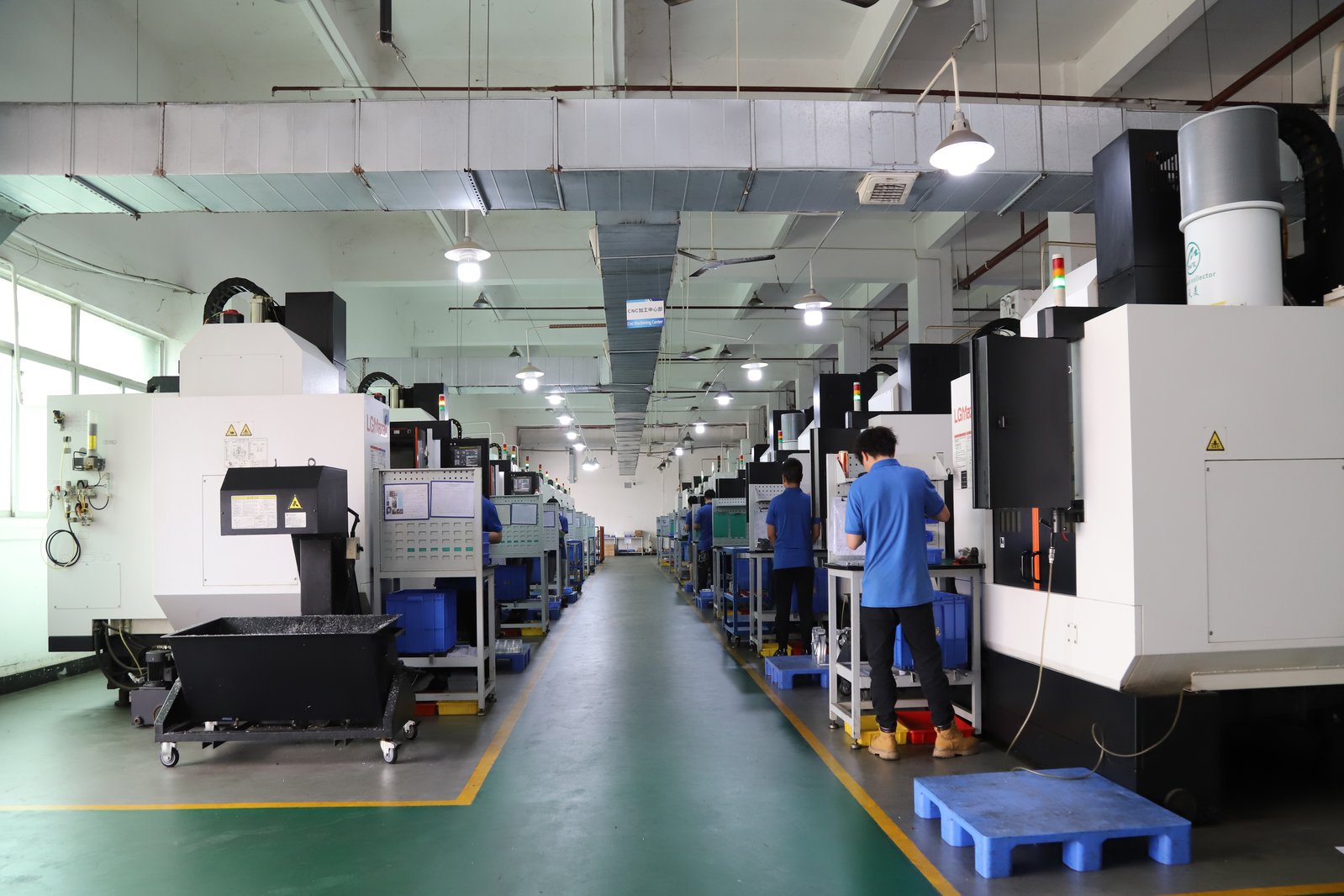
An aerospace order is the one overseas machining purchase where the logistics lines stop mattering and a different cost takes over: the documentation chain. On aluminum the freight dominates, on stainless the voyage preparation, but on aerospace components the dominant costs are the material certificates, the process records, the test evidence, and the traceability that make a part usable at all, because an aerospace part without its documentation is not a part with missing paperwork; it is a part that cannot be installed, no matter how perfectly it was machined. Add the failure economics — an aerospace part that fails does not cost a rework, it can ground a fleet or end a program — and the sourcing calculus becomes clear: this is the order where verification and documentation are the product, and where the overseas price gap is real but must be weighed against a quality and compliance burden that tolerates no shortcuts. This guide covers aerospace machining services from the overseas buyer's side: what makes the order different, what the documentation chain really costs and why it is non-negotiable, how to vet an overseas supplier's quality system without a site audit, which compliance boundaries to confirm, and how to weight the failure cost that no quote shows.
What makes an aerospace order different from every other overseas order?
Aerospace components are machined from the same metals and on the same machines as commercial parts, but they are bought under a different set of rules, and the rules change the cost structure entirely:
- The documentation chain is a hard deliverable, not a courtesy. A commercial aluminum bracket can ship with a certificate or without one and still find a use. An aerospace component without its material certificate, process records, and traceability is not shippable — the buyer's quality system will not accept it, the assembly line will not install it, and no amount of machining quality compensates for a missing record. The documentation is part of the part.
- The verification standards are set by the buyer's system, and they travel across borders. Aerospace buyers typically qualify suppliers under their own quality system — often built on AS9100-style requirements even when the machining supplier itself operates under ISO 9001 or IATF 16949 (product design excluded). That means the overseas supplier's processes — material verification, inspection, calibration, non-conformance handling — are judged against the buyer's aviation-grade expectations, and the gap between commercial practice and aviation expectation is where overseas aerospace orders most often fail.
- The failure cost is a different order of magnitude. A commercial part that fails costs a rework or a recall. An aerospace part that fails in service can ground aircraft, delay programs, or end careers, and the expected loss of that failure, however small its probability, dominates every other line in the sourcing decision. On aerospace work, the question is never "what does verification cost" but "what does the absence of verification risk."
- Transport is controlled, not just shipped. Aerospace parts travel under controlled conditions — handling requirements, packaging standards, and sometimes controlled logistics — and the transport terms carry their own documentation. The shipment is not the freight-line exercise of commercial parts; it is a controlled handoff with its own records.
The buyer-side reframe: an aerospace order is a documentation and quality transaction wrapped around machining, bought at a distance. The overseas price gap is real, but it must be weighed against a chain of records and expectations that no commercial machining order carries, and the model that prices the order without the chain is pricing a part that cannot be used.
What does the documentation chain really cost, and why is it non-negotiable?
The documentation chain on an aerospace part is produced per batch, and its cost is a real line that belongs in the sourcing decision:
- Material evidence is the chain's foundation. The certificate for the actual lot — alloy, condition, standard, heat or lot number — tied to the stock that was machined, with composition checks where the specification demands them. On aerospace materials, the certificate chain is what connects the part to its material's pedigree, and its cost is the price of that connection.
- Process records document how the part was made. Heat treatment records if the specification requires it, the machining process parameters where they matter, and the inspection evidence at each defined point. The process record is the manufacturing half of the part's pedigree, and it is produced per lot, per order — a recurring documentation cost that commercial parts never carry.
- Inspection and test evidence closes the chain. Dimensional reports with measured values, the test results the specification demands, and the certificate of conformance that ties the batch to the order. Each is labor, and each is mandatory — an aerospace part without its inspection evidence is a part whose conformity is unproven, which is the same as non-conforming.
- Traceability makes the chain usable. Every part or batch traces to its material lot, its process records, and its inspection results, so a future question, an audit, or a recall investigation can follow the part backward. Traceability is what converts the documentation from a stack of papers into a chain, and its absence is the gap that fails audits.
The economic point: the documentation chain is not overhead on an aerospace order — it is the product's second half, produced alongside the machining and priced like labor. The supplier that treats the chain as routine is running aerospace work as a process; one that treats it as a burden is pricing a part it cannot deliver in usable form.
How do you vet an overseas supplier's quality system without a site audit?
Aerospace buyers qualify suppliers before parts flow, and at overseas distance the qualification relies on evidence rather than visits:
- The quality-system documents are the first evidence. The supplier's certifications — ISO 9001, IATF 16949 (product design excluded) where relevant — and its quality manual, inspection procedures, calibration records, and non-conformance process are reviewed against the buyer's expectations before any geometry is sent. A documentation review at distance is the first screen, and it is surprisingly decisive: a supplier whose quality system is documented and current is a different commercial partner from one whose claims rest on assurances.
- Verification capability is confirmed by instrument and record. The supplier should demonstrate its material verification (composition checks on incoming stock), its dimensional inspection (CMM reports with measured values), and its calibration discipline — with records that show the practice, not just the equipment list. The evidence of the practice is what survives the distance.
- A trial order is the practical audit. A single-part order, or a small first batch run to the full aerospace documentation standard, tests the supplier's quality system end to end: the material certificate chain, the inspection evidence, the documentation package, and the communication when something needs clarification. The trial order is the cheapest site audit that exists, and at MOQ 1 it is available to any buyer.
- Third-party checks cover what documents cannot. Where the order justifies it, third-party inspection or material testing at the supplier's location provides the independent evidence that distance makes valuable — the same tool that commercial buyers use, applied to the higher standard aerospace demands.
The qualification principle: at aerospace distance, verification is evidence-based — certifications reviewed, practices confirmed by record, capability proven by a trial order, and independence added where the risk justifies it. A supplier that passes this evidence-based qualification is qualified; one that cannot produce the evidence is not — regardless of how persuasive its assurances are.
Which compliance boundaries should an overseas aerospace order confirm?
Aerospace components can cross regulatory boundaries that commercial parts never meet, and the order should confirm the boundaries rather than assume them:
- Export and end-use controls are a classification question. Aerospace articles and their technology can be subject to export controls that depend on what the part is, where it is going, and how it will be used. The responsible parties — typically the buyer for the end-use classification and the supplier for the manufacturing jurisdiction — should confirm the classification before the order, because a part that crosses a control boundary without the right handling is an order with a compliance problem attached.
- The application should be stated honestly. The buyer tells the supplier what the part is for at the level the supplier needs — an aerospace application triggers different expectations for documentation and control than a commercial one. Honest application disclosure is not optional on aerospace work; it is what lets both sides apply the right standards.
- Restricted materials and processes have their own rules. Some aerospace specifications restrict materials, suppliers of materials, or process sources, and the overseas supplier should confirm it can source and process within those restrictions. The restriction question belongs in the RFQ, because a part made with a material from an unapproved source fails the specification no matter how well it was machined.
- Documentation for the destination accompanies the shipment. The certificates and records that prove the part's conformity travel with it, and the transport documentation should match the part's pedigree, because a shipment whose documents do not support the part's intended use is a shipment that stops at the destination's door.
The buyer-side discipline: treat compliance as a set of questions to confirm, not assumptions to make — classification, application, material restrictions, and documentation for the destination. The supplier that engages with the questions is a partner in the compliance chain; one that waves them away is asking the buyer to carry the entire regulatory risk of the order alone.
How do you weight the failure cost that no quote shows?
The line that dominates aerospace sourcing never appears on any quote — the expected cost of a failure — and weighting it correctly changes the whole decision:
- The failure cost is the model's largest line, even at tiny probability. An aerospace part that fails in service can ground aircraft, delay a program, or trigger an investigation — losses measured in millions or more. Multiplied by even a small probability of occurrence, the expected failure cost dwarfs the price gap between an overseas and a local supplier, and it dwarfs the cost of any verification that reduces the probability.
- The probability input follows the evidence. The supplier's verification discipline, documentation quality, and quality history set the failure-probability input — a supplier whose material checks, inspection records, and non-conformance handling are documented earns a lower input than one whose process is opaque. The model converts the supplier's quality evidence into a number, which is the only form in which it can be compared.
- Verification and documentation are the probability reducers. Every link of the chain — material evidence, process records, inspection, traceability — reduces the probability that a defect reaches service. The cost of the chain is bounded and visible; the failure it prevents is unbounded and hidden. On aerospace work, the chain is not a cost to minimize; it is the purchase that makes the part's risk acceptable.
- The comparison is never price-versus-price. Two aerospace quotes differ in their verification depth, their documentation discipline, and their implied failure probability, and the honest comparison prices all three. The supplier with the lower quote and the thinner chain is not cheaper; it is carrying a higher expected failure cost that the model exists to reveal.
The weighting rule: on aerospace work, run the model with the failure cost as its largest line, let the supplier's evidence set the probability, and treat the documentation chain as the probability-reducing purchase it is. That is the difference between sourcing aerospace parts by price and sourcing them by risk, and at the stakes aerospace carries, the risk is the price.
What should an aerospace machining RFQ carry beyond the standard list?
The aerospace RFQ is the documentation chain's contract — the list of what must be produced and proven before the parts can be used — and beyond the standard machining questions it should carry six commitments:
- The application, stated honestly. The buyer declares the aerospace use at the level the supplier needs, so both sides apply the right documentation and control standards.
- The material and its evidence. The alloy, condition, and standard named as requirements, with the certificate for the actual lot and composition checks where the specification demands them — the chain's foundation as a contractual term.
- The process records required. Heat treatment, process parameters, and the inspection evidence at each defined point — named as deliverables, not assumed as practice.
- The inspection and conformance evidence. Dimensional reports with measured values, the test results the specification demands, and the certificate of conformance tying the batch to the order — the chain's closing links as contract items.
- Traceability to the lot and the record. Every part or batch tracing to material, process, and inspection records — the chain made usable, and made contractual.
- The compliance confirmations. Export and end-use classification confirmed by the responsible parties, restricted materials and sources confirmed against the specification, and destination documentation matched to the part's pedigree.
A supplier that prices these six commitments as the normal cost of aerospace work is selling a part with its chain attached — the only form in which an aerospace part can be bought. One that treats them as burdens is offering machined metal that no aerospace buyer can install, and the difference between the two is visible in the first audit, the first shipment, or the first field question — whichever comes first.
Frequently Asked Questions
Why is documentation non-negotiable on aerospace parts?
Because an aerospace part without its documentation cannot be installed — the buyer's quality system will not accept it, the assembly line will not use it, and no amount of machining quality compensates for a missing record. The material certificate, process records, inspection evidence, and traceability are the product's second half, produced alongside the machining, and their cost is a real line in the sourcing decision.
Do aerospace machining suppliers need AS9100 certification?
Not necessarily — aerospace buyers typically qualify component suppliers under their own quality system, which may be built on AS9100-style requirements even when the machining supplier operates under ISO 9001 or IATF 16949 (product design excluded). What matters is that the supplier's processes — material verification, inspection, calibration, non-conformance handling — meet the buyer's aviation-grade expectations, confirmed by documentation review and evidence rather than by assumption.
How do I qualify an overseas aerospace supplier without visiting?
With an evidence-based qualification: review the quality-system documents and certifications, confirm the verification and inspection capability by instrument and record, run a single-part trial order to the full aerospace documentation standard, and add third-party checks where the risk justifies it. A trial order at MOQ 1 is the cheapest site audit that exists, and it tests the whole chain end to end.
What export-control questions should an aerospace order confirm?
The classification questions: what the part is, where it is going, and how it will be used, because aerospace articles and their technology can be subject to export and end-use controls that depend on those answers. The responsible parties should confirm the classification before the order, the application should be stated honestly, and restricted materials and process sources should be confirmed against the specification.
How should I weight quality cost against price on aerospace work?
With the failure cost as the model's largest line: an aerospace failure can ground aircraft or delay a program, so its expected cost — even at small probability — dwarfs the price gap between suppliers. The supplier's verification and documentation evidence sets the probability input, and the documentation chain is treated as the probability-reducing purchase it is. On aerospace work, the risk is the price.
What is the minimum order quantity for aerospace CNC machined parts?
One piece — and on aerospace work the single part is also the qualification instrument: it runs the full documentation chain — material evidence, process records, inspection, traceability, and the compliance confirmations — on one part before a production program commits to a supplier whose chain was otherwise an assumption.