
CNC Machining Services vs Alternatives: Which Manufacturing Route Wins Your Part?
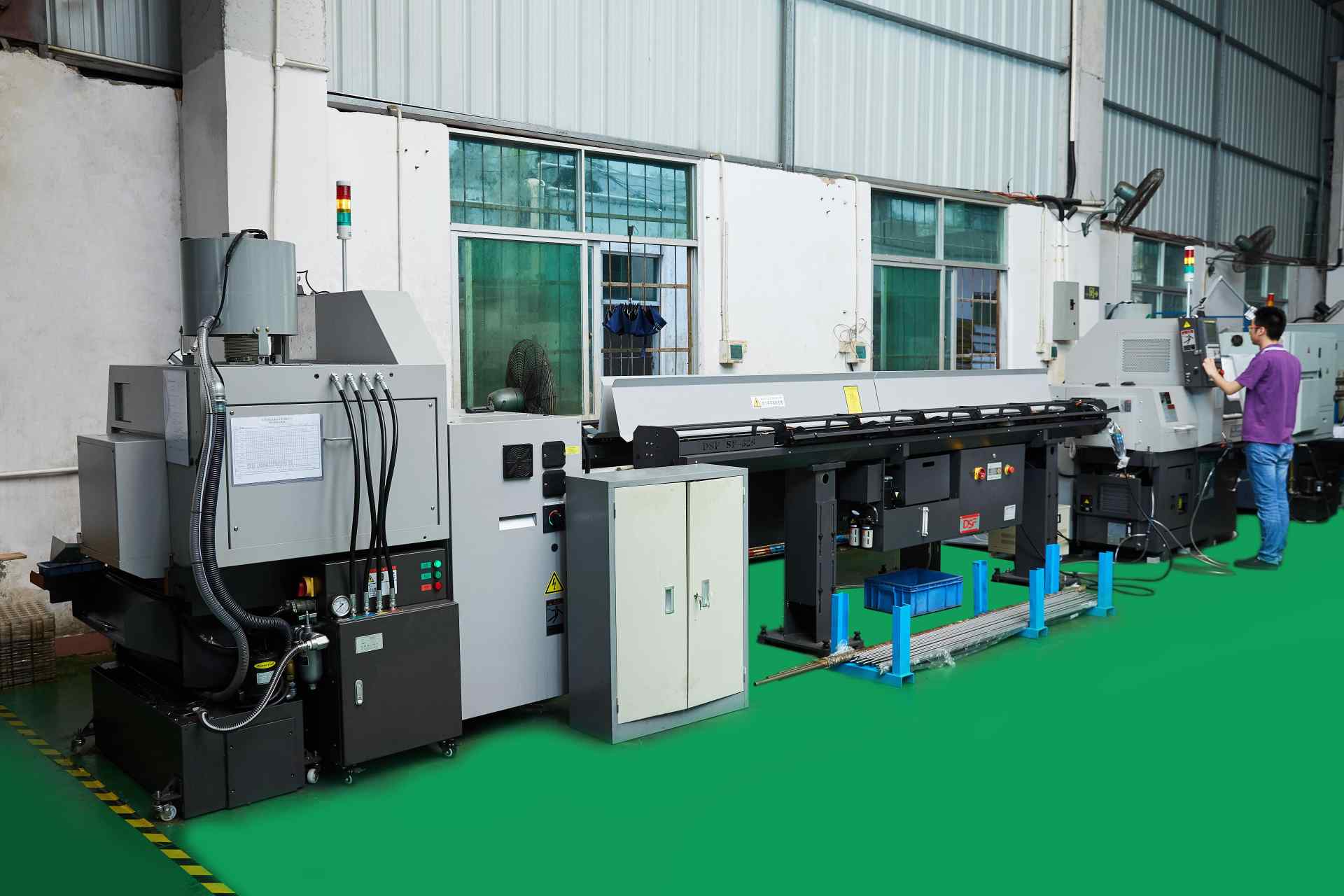
Before any part is machined, it could have been made another way, and sometimes the other way is right. CNC machining is the reference process for precision metal parts: tight tolerances, engineering materials, and a direct path from prototype to production. But it is not always the cheapest or the fastest route. Injection molding wins on plastic parts at volume, die casting wins on aluminum at very high volume, 3D printing wins on geometries no cutter can reach, and sheet metal wins on thin-walled enclosures. This guide compares CNC machining services against those alternatives on the decisions that matter — volume, geometry, material, tolerance, and lead time — so the material-process pair you choose is the one that delivers your part at the lower total cost.
What does CNC machining actually win at?
Set the baseline before comparing. CNC machining wins when a part must be an engineering metal — aluminum, stainless steel, titanium, alloy steel — held to real tolerances with measured proof. Milling and turning hold ±0.003 mm on critical features, precision grinding reaches ±0.002 mm, and the measurement is done on CMMs with process capability at Ppk ≥ 1.67 at the initial study on key characteristics and Cpk ≥ 1.33 on general characteristics. Capability is reported per characteristic: every report names the feature, its tolerance band, the sample size, the sigma method, and the study window. No alternative in this comparison holds that band in those materials without a secondary machining step.
Machining also wins on the path from prototype to production, because the same machines run both. A service can cut a prototype at a minimum order of one piece, measure it, and scale the same process into volume without re-qualifying a different process family. The toolpath, the fixture, and the inspection plan carry from the first article into the run — a continuity no alternative offers across process families. And machining wins on lead time to first parts: no tooling to build, no mold to cut, no die to prove. For a part that must exist this month, machining is usually the only answer that exists at all.
The honest boundary is that machining is subtractive and per-part. Every part carries machining time, so the unit price does not fall with volume the way a molded or cast part's does. At very high volumes on simple geometries, a process that amortizes tooling across the run will eventually undercut machining on per-part cost. The comparison below maps when that crossover happens for each alternative.
When does 3D printing beat machining, and when does it not?
3D printing wins on geometry that machining cannot reach economically or at all — an internal lattice, a conformal cooling channel, an organic topology-optimized bracket. For early-concept prototypes that exist to check fit or ergonomics, printing is fast and cheap, which is why it dominates concept models. It also wins when a design is still changing daily: printing has no fixture and no toolpath to rework, so each revision is simply a new file.
Printing loses on the dimensions that matter to production. A printed metal part is not the same material as a machined one. The layer structure, the internal porosity, and the as-printed surface (rough, typically far above the machined Ra range) mean the printed part has different mechanical behavior, lower fatigue life, and surfaces that cannot seal or bear without post-machining. Where a design needs a bearing surface, a sealing face, or a tight positional tolerance in a structural metal, printing produces the near-net shape and machining produces the part.
The practical pattern is hybrid, not either/or: print the complex core that no cutter can reach, then machine the reference surfaces, the bores, and the sealing faces. The drawing should say which features are machined and which are printed, so the hybrid quote is unambiguous. For a production metal part that carries load at a real tolerance, machining — possibly on a printed blank — remains the answer.
When does injection molding beat machining on plastic parts?
Injection molding wins on plastic parts at volume, where the tooling cost amortizes across enough parts to drop the unit price below machining. The crossover sits somewhere in the low thousands of parts for a simple geometry, depending on part size, material, and tooling complexity. Above that volume, the molded part's low cycle time and per-part cost make it the economic winner. Machining has no tooling hurdle but pays per part forever, so it dominates low volumes and prototypes.
Molding loses on tolerance and on material range. A molded plastic part holds a looser tolerance than a machined one — typically ±0.1 mm or looser on most features — because the material shrinks as it cools and the mold wears. The engineering plastics that machine cleanly are also a subset of what can be molded. Where a plastic part needs a tight bore for a press-fit metal insert, or a feature that must hold position against another component, the drawing often calls for machining even at moderate volume.
The molding comparison also carries a lead-time reality: the tool is a long-lead item, often weeks, so a launch that needs parts this quarter cannot wait for a mold even if the volume math says molding wins. Compare the machined quote against the molded quote at the real annual volume, tooling included, and factor the mold lead time into the decision.
When does die casting beat machining on aluminum?
Die casting wins on aluminum parts at very high volume — tens of thousands of parts and up — where the die cost amortizes across the run and the cycle time drops far below machining. A die-cast housing or bracket comes out of the die near-net, with thin walls that would be slow to machine from solid. At automotive and appliance volumes, casting is what the economics demand.
Casting loses on tolerance, porosity, and lead time. A die-cast part holds a looser tolerance than a machined one, and it carries internal porosity that machining from solid bar does not have. A casting that needs a sealing face or a bearing bore is almost always machined after casting, which is why cast-then-machine is the standard route for precision cast features. And the die itself is a long-lead, high-cost item — weeks of tooling and a five-figure investment before the first part.
The buyer's rule: casting is a volume play, not a geometry play. At very high volume, cast-then-machine beats machine-from-solid on cost. Below that volume, or where the part must hold tight tolerances in solid material without porosity, CNC machining is the answer, and the part that needs both is machined after casting.
When does sheet metal beat machining on thin-walled parts?
Sheet metal fabrication wins on parts that are fundamentally thin-walled — enclosures, brackets, panels, chassis. A sheet-metal part is cut, bent, and formed from flat stock, so a thin-walled box that would take hours to machine from solid is produced in minutes from a sheet. For electronics enclosures, chassis, and light structural brackets, sheet metal is often the lower-cost answer at almost any volume.
Sheet metal loses on thickness, precision, and geometry. It cannot produce a thick, solid feature — a boss, a block, a bearing housing — because it starts as a thin sheet. Its tolerances are looser than machining's, particularly across bends where springback moves the geometry. Features that need real precision are machined onto the sheet-metal part in a secondary operation, so the common pattern is fabricate the thin structure and machine the critical bosses and bores.
Match the process to the part's dominant geometry. A thin-walled enclosure belongs to sheet metal; a solid precision component belongs to machining; a hybrid with thin walls and machined bosses belongs to both, and the quote should show the fabrication and the machining as separate lines.
How do you compare a machined quote against an alternative fairly?
The trap in comparing processes is comparing the wrong numbers. A machined quote and a molded quote both carry a unit price and a lead time, but they price different things: the machined quote prices per-part time with no tooling hurdle; the molded quote prices per-part time against amortized tooling; the printed quote prices machine time on a different cost base. The comparison only means something when the tolerance, the material, and the volume are held constant.
Run the comparison as a total-cost table. For each process, list the tooling or setup cost, the unit price at your real volume, the lead time to first parts, the tolerance the process holds without secondary work, and the material properties it delivers. A machined part at ±0.003 mm in 6061-T6 is a different product from a die-cast part at a looser band — if the application needs the tolerance and the material, machining is not more expensive; the alternatives simply cannot quote the same part.
The CNC machining guide on this site walks how a drawing is read against machining capability, and the quality page shows the measurement behind a machined tolerance. The process decision is the first fork in that path: match the process to the volume, the geometry, and the tolerance the part actually needs, and the route that wins is the one that delivers the real requirements at the lower total cost, not the one with the friendliest headline unit price.
Frequently Asked Questions
When should I choose CNC machining over 3D printing?
When the part must be an engineering metal at a real tolerance, or carry load, seal, or mate against another part. Machining holds ±0.003 mm in aluminum, stainless, and titanium with verified measurement; as-printed parts are a different material. Choose printing for internal geometries no cutter can reach, and machine the critical features of a printed blank.
When does injection molding beat machining?
At volume on plastic parts, where the tooling cost amortizes across enough parts to drop the unit price below machining. Below the crossover — typically the low thousands of parts — machining wins on cost, tolerance, and lead time.
Is die casting cheaper than CNC machining?
At very high volume, die casting wins on per-part cost after the die is paid for. At lower volume, the die cost and lead time make machining the better answer, and a casting that needs a sealing face or bearing bore is machined after casting anyway.
Can 3D-printed metal parts replace machined parts?
Not for parts that need a bearing surface, a sealing face, or a tight positional tolerance in a structural metal. Printed parts carry layer structure and porosity; the production answer for a critical metal part is machining, or printing the complex core and machining the reference surfaces.
Which process holds the tightest tolerance?
CNC machining, by a wide margin — ±0.003 mm on critical features, and ±0.002 mm on ground surfaces, verified on CMMs with process capability at Ppk ≥ 1.67 initial. Molding, casting, and printing all hold looser tolerances without secondary machining, which is why a tight drawing usually settles the process question before cost is even discussed.
Can I prototype in machining and then move to casting or molding?
Yes, and it is a common path, but the prototype must carry the production tolerance logic. A prototype machined loose validates the geometry, not the process that will make the production part, so the prototype should prove the hybrid process the production run will use — cast or molded body, machined critical features.
What should I send to get an honest process comparison?
Send the 3D model, the drawing with the critical tolerances and materials named, and the annual volume. The reply should recommend a process or a hybrid based on volume, geometry, and tolerance, and quote the real requirements at total cost.
Does the tolerance on my drawing rule out the alternatives by itself?
Often, yes. If the drawing carries ±0.003 mm callouts in an engineering metal, molding and casting cannot hold them without secondary machining, and printing delivers a different material. State the tolerance and material first; the processes that can quote the same part are then a much shorter list, and machining is usually the only one on it.
Not sure whether your part should be machined, printed, cast, molded, or fabricated?
Send the 3D model, the toleranced drawing, and the annual volume to [email protected] or call +86 13126536955. The reply will include a process recommendation or a hybrid plan, and a quote for the route that delivers your real requirements at the lower total cost.